We are delighted to announce the members of our new AI and Ethics Expert Working Group, who will work towards creating new resources and guidance to support the sector with ethical decision-making around AI.

Sonia Solicari
Chair
Sonia Solicari is a curator, writer and museum leader reshaping how cultural organisations connect with contemporary audiences. As director of the Museum of the Home since 2017, she has led the institution’s reinvention from the Geffrye Museum, overseeing a landmark redevelopment that doubled public space, introduced acclaimed new galleries, and established a pioneering programme exploring the social issues that shape our lives.
Previously, Sonia was head of Guildhall Art Gallery and London’s Roman Amphitheatre, and a curator at the V&A. She serves on the National Museum Directors’ Council, sits on the Museums Association’s Ethics Committee, and is a trustee of Bethlem Gallery.
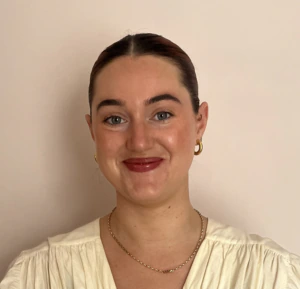
Fiona Bushfield
Fiona Bushfield is a research manager at the V&A, responsible for risk assessment and due diligence reporting, prospect identification, and fundraising intelligence.
Advertisement

Rafie Cecilia
Rafie Cecilia is a lecturer in museum and gallery studies at King’s College London, and an affiliate of the King’s Institute for Artificial Intelligence. Rafie’s work looks at how technology, AI and digital innovation impact the museum experience of professionals and audiences with disabilities, focusing on disability as an empowering drive in the sector.

Janet Dugdale
Janet Dugdale chairs the MA’s Ethics Committee. She is a museum leader and independent consultant working with and for museums, heritage and culture. Her leadership experience includes developing and delivering high profile and complex capital projects and exhibitions, developing audiences, teams and collections, speaking on participative working, creating strategic partnerships and advocating for heritage and museums with a people-based/storytelling approach.
Janet is a fellow and trustee of the Museums Association, a member of Arts Council England’s Designation Panel and a member of the Heritage Network’s Expert Panel for England. She is an honorary fellow of Liverpool John Moores University and an honorary research fellow at the Research Centre for Museums & Galleries at the University of Leicester.

Jenny Durrant
Advertisement
Jenny Durrant is a collections specialist working in the UK and internationally, and a member of the MA’s Ethics Committee. She is a strong advocate for transparency in working practices and relationships, and creating ethical ways of working that benefit collections, institutions and people.
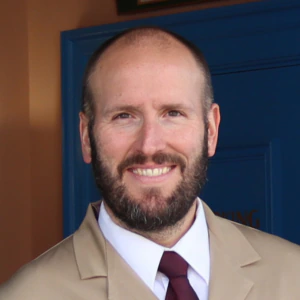
Dan Hudachek
Dan Hudachek is head of collections at Beamish Museum, overseeing all aspects of managing the museum’s 2.5 million physical and digital collections items. With over 15 years’ experience working in museums, he brings together a wide range of skills and experiences to meet the needs of an open air, living history museum.
He is currently championing a project to revolutionise the museum’s documentation practices by applying digital tools common in other industries to the unique challenges of the heritage sector. This includes investigating how AI can responsibly support collections management.

Elizabeth Llabres
Elizabeth Llabres is the collections manager at Bradford District Museums & Galleries, where she leads the collections and curatorial team and provides strategic leadership across collections governance, digital innovation and sustainability. With more than 17 years’ experience in the museum sector, she specialises in balancing the ethical stewardship of collections and collections data with organisational transformation and public benefit.
Advertisement
She has developed a strong interest in the ethical use of AI and digital technologies within the heritage & culture sector, exploring how emerging technologies can support museums while maintaining professional standards, accountability and human expertise. She has completed AI training through The Audience Agency's Let's Get Real: AI programme and contributed to the development of a sector-focused AI tool.

Nicôle Meehan
After working in the cultural sector in digital and engagement focused roles (Historic Environment Scotland, Hunterian Museum, National Galleries Scotland), Nicôle Meehan joined the University of St Andrews as a lecturer in museum and heritage studies. Her research and teaching focuses on the uses of digital technology in museums.
She is committed to critically examining digital technologies and understanding their impact upon local and global audiences. Nicôle is currently writing a book, The Eco-Critical Digital Museum: Digital Technologies, Ecology, Colonialism and Climate Justice, which examines the value-based judgements enacted by museums in the use of digital technologies in times of climate breakdown.

Jonathan Munro
Jonathan Munro is digital learning officer at Leeds Museums and Galleries, where he helps shape the future development of MyLearning.org, the national hub for free, trusted teaching resources from museums, galleries and other cultural organisations. His work focuses on the intersection of museums, digital innovation and emerging technologies, with a particular interest in the ethical adoption of AI within cultural organisations.
Alongside his museum role, Jonathan maintains an active artistic practice exploring technology, systems and contemporary culture, bringing both practical and critical perspectives to his work with AI. His career spans museums, educational technology, higher education and artist-led organisations.

Mia Ridge
Mia Ridge is the British Library’s digital curator for Western heritage collections, and head of service for the Museum Data Service. She has worked in digital cultural heritage, internationally and in a range of different roles, for over two decades. The thread that links her varied roles, experience and training is a desire to make museum, library and archive collections accessible and relevant to the widest possible range of people. She aims to create productive digital experiences with GLAM collections that make space for curiosity and wonder.

Paula Westenberger
Paula Westenberger is a senior lecturer in intellectual property law and a member of the Centre for AI at Brunel University of London. She is a Bridging Responsible AI Divides (BRAID/AHRC) research fellow, leading the project ‘Responsible AI for Heritage: copyright and human rights perspectives’. Paula holds a PhD in intellectual property law, and a postgraduate certificate in curating and collections management.
Her research covers the intersection between copyright law, human rights and culture, with particular focus on limitations and exceptions to copyright, the use of digital technologies (including AI) by cultural heritage institutions, and decolonial discussions. She is the editor of the European Copyright and Design Reports (ECDR), founder and coordinator of the Heritage AI and Law (HAIL) Network, and a Brazilian qualified lawyer.